

Real Estate Agents Excess Travel Time

The Fair Work Commission has implemented changes to provide clarity regarding the compensation of employees for excess travel time under the Real Estate Award. Excess travel time refers to the additional time spent travelling from an employee’s home to a location other than their employer’s business premises.

The key provisions include:

    • If an employer mandates that an employee starts or finishes work at a location away from the business or office premises, the employees are entitled to payment for the time spent travelling that exceeds their normal commute to the employer’s usual place of business.
    • This extra time is considered as time worked, and employees receive compensation at either ordinary rates or applicable overtime rates.
    • Employees who are required to utilize their personal vehicles for work are also entitled to receive the relevant motor vehicle allowance.

What is meant by the term “excess travelling”?

The term “excess travelling” encompasses the time and expenses incurred by an employee when obliged by the employer to commence or conclude work at a location other than the employer’s business premises.

This is best explained through the Fair Work scenario:

Alex is a real estate agent who holds home inspections every Saturday. They have an inspection on the other side of town and the employer requires Alex to travel to the client’s home which is 40 minutes away.

Alex’s commute to the real estate agency’s office typically takes 15 minutes. Alex is entitled to be paid for the excess travel time to the client’s house. This is paid for any travel time that’s in addition to the time it would usually take them to commute to the office.

The trip to the client’s home takes 40 minutes and Alex’s usual trip to the office takes 15 minutes, so Alex is entitled to be paid for the additional 25 minutes of travel time.

If Alex is required to use their own vehicle, they also receive the applicable motor vehicle allowance.

Summary of Key Changes

    • The amendments to the Award mentioned earlier took effect on March 1, 2024.
    • It is important to note that only employees covered by the Real Estate Industry Award 2020 are impacted by this decision, with commission-only salespeople remaining unaffected.
    • Excess travel time is now considered part of working hours and must be treated as either ordinary hours or overtime if the excess travel was specifically directed by the employer.

Practical Implications for Your Agency

Given that the Award changes primarily aim to clarify existing obligations, most employers will likely experience minimal practical impact. This is due to the following reasons:

    • According to Clause 19 of the Award, employees are not entitled to compensation for work conducted outside their regular working hours unless explicitly directed by the employer.
    • The majority of employers already provide a lump sum as a motor vehicle allowance, covering all employee travel expenses.

Employers must recognise their authority in determining where employees start and finish work. If employees operate from the office, there is typically no excess travel involved. However, the new provisions emphasise that employers should understand where their employees commence or conclude work outside the employer’s office with the employer’s knowledge, direction, or consent, the work and excess travel time should be considered part of the employee’s ordinary working hours.

For employers directing employees to undertake excess travel time or additional hours beyond their regular work hours, overtime provisions will continue to apply. Employers utilising per-kilometre or standing charge plus kilometre allowances should ensure reimbursement aligns with the recent change, covering any excess travel.

Right to Disconnect – Fair Work Act, prohibiting employers from reaching out to employees.

The Fair Work Legislation Amendment (Closing Loopholes No.2) 2023 Bill successfully passed through Parliament on February 8, 2024, and is on track to soon receive Royal Assent.

Regarding the “Right to Disconnect,” a recent addition to the Bill aims to modify the Fair Work Act, prohibiting employers from reaching out to employees beyond their designated work hours, unless such contact is deemed ‘reasonable’. The amendments also grant employees the right to decline monitoring, reading, or responding to work-related communication outside their regular work hours, except in cases where the refusal is considered ‘unreasonable’. Various factors, including the purpose of the contact, the method of communication, the level of disruption caused, compensation for additional work (including non-monetary benefits), the employee’s role and responsibilities, and personal circumstances (such as family or caregiving responsibilities), are to be taken into account when determining the reasonableness of a refusal.

The Fair Work Commission (FWC) will be entrusted with the authority to adjudicate applications for orders requiring employers to cease out-of-hours contact. Anticipating potential debates on defining ‘reasonable contact,’ the uncharted territory is expected to generate discussions.

Of note, the Bill, in its current form, introduces criminal penalties for employers failing to comply with the FWC’s right to disconnect orders. Despite the government’s attempt to have these criminal penalties removed in the Senate, the proposal was rejected due to its late introduction. The government, acknowledging that the inclusion of criminal penalties was unintended, has expressed its intention to legislate for their removal. This incident underscores the perception that the Bill may not have undergone thorough consideration before its introduction.

These amendments are slated to become effective six months after the Bill receives Royal Assent, which is imminent.

Where to from Here?

Recognising the challenges of being an employer in the present political context, we understand the confusion, stress, and difficulty that often accompany this role. The introduced reforms only serve to deepen the complexities of industrial relations, adding bureaucratic hurdles that are likely to impact both productivity and business costs.

Should you seek more information on how these changes might affect your business or require assistance in ensuring compliance with the new legislative landscape, please feel free to reach out to Apex HR.

Preparing for Positive Duty Rules

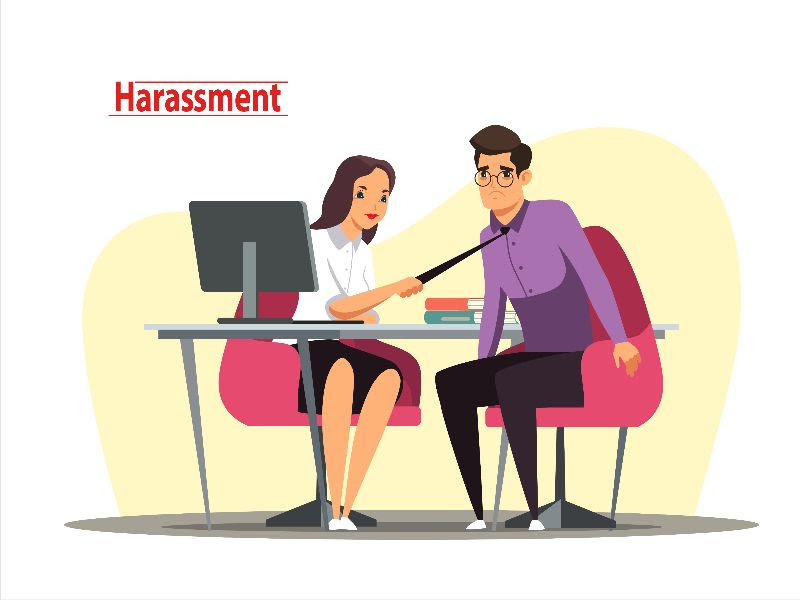
Despite the increased attention in recent years, a third of individuals still report experiencing sexual harassment in their workplace over the past five years, according to findings from the Human Rights Commission.

As of December 12, 2023, new “positive duty” laws have been implemented, requiring employers to proactively prevent sexual and sex-based harassment rather than merely responding to incidents. The Human Rights Commission is now empowered to enforce this “positive duty,” which aims to enhance the systems employers have in place, regardless of whether harassment has been encountered.
To meet the obligations of positive duty, here are six steps that can help navigate this challenging terrain:

1. Demonstrate Knowledge and Leadership: Management should exemplify exemplary behaviour, familiarize themselves with the legislation and associated policies, and engage in effective communication with staff. Small businesses, despite their size, must convey a serious commitment to addressing the issue.

2. Conduct a Risk Assessment: Similar to addressing health and safety concerns, businesses must identify potential risks. Conversations with staff about their comfort levels with customers, late-night work, or office banter can help pinpoint specific risks.

The risk of sexual harassment happening at your workplace could be higher if you have:

  • low worker diversity
  • low worker diversity
  • power imbalances
  • a workplace culture that supports or tolerates sexual and other types of harassment
  • alcohol and social duties as part of work
  • workers in locations where they can’t get help and support
  • leaders who don’t understand sexual harassment, its nature, drivers and impacts.

3. Update Policies: Ensure the presence of a standalone policy that incorporates the new rules. The regulatory preference is for a distinct sexual harassment policy rather than it being part of a broader harassment/bullying policy. Communicate and enforce the policy consistently.

4. Communicate and Train: After implementing policies, it is crucial to provide specific, accessible training for staff. Communication should be explicit and not buried in handbooks, and templates for emails and training courses can simplify the process, especially for small businesses. The goal is to send a clear message that sexual harassment is unacceptable

5. Handle Complaints: Prepare the business to respond effectively to complaints. Employees should be aware of the procedures for reporting harassment, and there should be a clear investigation process in place.

6. Maintain Records: Establish a prevention plan by keeping detailed records of all actions taken. While this may seem overwhelming, in practice, it involves documenting each step to demonstrate commitment to prevention.

By following these six steps, employers can proactively address and mitigate the risks associated with sexual harassment in the workplace, fostering a safer and more respectful environment for all employees.


Real Estate on Regulator’s Priority List

Last week, Consumer Affairs Victoria (CAV) unveiled their Strategic and Regulatory Plans for 2023-2026, highlighting their regulatory priorities. With the recent release of the Victorian government’s Housing Statement, it comes as no surprise that real estate services are a top focus for the regulator.

CAV’s priorities encompass:

Underquoting: CAV is taking a resolute “zero-tolerance approach” to combat underquoting in the real estate market. They’re dedicated to promptly addressing any instances of non-compliance detected, ensuring fair and transparent property pricing.

Trust Account Breaches: Addressing trust account breaches, involving misappropriation of funds or defalcations, is a crucial focus for CAV. They aim to safeguard consumers by enforcing strict adherence to trust accounting regulations within the real estate sector.

Safe and Secure Rental Properties: CAV is committed to holding rental providers accountable for ensuring safe and secure properties meet the minimum standards. This dedication aims to enhance the living conditions and well-being of renters.

The Strategic Plan further emphasises prioritising compliance and enforcement responses based on the severity of risk, emphasising a proactive and targeted approach to mitigate potential harm.

Employer Obligations When an Employee Tests Positive

With the Victorian Government announcing the removal of isolation requirements for most industries, it has created some confusion in the real estate industry regarding what our obligations are as employers if an employee has COVID-19. We try to shed some light on this in this article.

What are the current isolation requirements?

From 11.59 pm on Wednesday 12 October 2022, Victorians are no longer required to isolate after testing positive for COVID-19. This change was agreed to by all states and territories at National Cabinet, so the isolation requirements will no longer apply in all jurisdictions. However, isolation is still recommended after testing positive for COVID-19 and employers are encouraged to support the isolation of their employees.

Both employers and employees continue to have obligations and powers under Occupational/Work Health and Safety (WHS) legislation which enables employers to determine the most appropriate measures to protect their workplace against COVID-19. This can include mandating vaccinations under a policy or imposing a policy that requires individuals who are symptomatic to remain at home and ensure that they are asymptomatic and have tested for COVID-19 before returning to the workplace.

Employers and employees are encouraged to continue working together to find solutions that best suit their workplace and circumstances when dealing with COVID-19. This may include exploring alternative work arrangements, such as working from home where possible.

As some roles cannot be done from home, employers may be able to direct an employee not to attend the workplace when they’re sick. If this happens, the employee isn’t entitled to be paid unless they take paid sick leave or some other type of paid leave (annual leave or unpaid leave).